
Featured






















A simple morning routine, hydration, protein, fiber, and healthy fats, can support steady energy, better digestion, and fewer cravings throughout the day.
A well-rounded exercise routine after 50, combining strength, cardio, balance, and flexibility, can help support independence, energy, and long-term health.
Simple, daily habits like movement, mental stimulation, and quality sleep may help support brain health and cognitive function as you age. Here's where to start.
Digestive bitters are a group of herbs and plant extracts traditionally used to support digestion and overall digestive wellness. They have a characteristic bitter taste and have been used in various traditional medical systems for centuries. Common bitter herbs include gentian, dandelion, artichoke leaf, wormwood, and bitter orange. Today, digestive bitters are available in tinctures, teas, capsules, and other herbal preparations. Although scientific research is still developing, digestive bitters may offer several potential benefits when used appropriately.
One of the main proposed benefits of digestive bitters is their ability to stimulate the digestive process. The bitter taste canactivate taste receptors in the mouth, which may encourage the body to prepare food. This process promotes the production of saliva and digestive secretions, including stomach acid and digestive enzymes. As a result, bitters are traditionally taken shortly before meals to assist the digestive system to prepare for the food that is about to be consumed.
Digestive bitters may also help support appetite and comfortable digestion. Some people use them to help with occasional feelings of fullness, sluggish digestion, or mild bloating after meals. Certain bitter herbs, such as artichoke and dandelion, have traditionally been associated with supporting normal digestive function.
Another potential benefit is support for the liver and bile flow. Some bitter herbs have traditionally been used to support the liver and gallbladder. Bile is an important digestive fluid produced by the liver and stored in the gallbladder. It helps the body digest and absorb dietary fats. Herbs such as dandelion and artichoke are commonly included in herbal formulas marketed for digestive and liver support.
Digestive bitters may also have a role in supporting healthy blood sugar regulation, although research in humans is limited and the effects depend greatly on the specific herbs used. Some plant compounds have been investigated for their effects on metabolism and glucose control. Nevertheless, digestive bitters should are not a replacement for a balanced diet, or medical treatment for conditions such as diabetes.
Despite their potential health benefits, digestive bitters are not suitable for everyone. People with certain digestive conditions, gallbladder problems, ulcers, or sensitivities to herbs should consult a healthcare professional before using them. Pregnant or breastfeeding individuals should also seek professional advice. Bitters can interact with some medications.
In conclusion, digestive bitters are traditional herbal preparations that can help support the body's natural digestive processes. Their potential benefits include stimulating digestive secretions, supporting appetite, promoting comfortable digestion, and possibly supporting bile and liver function. When used responsibly and with appropriate guidance, digestive bitters can be considered one possible addition to a broader approach to digestive wellness, rather than a substitute for medical care or healthy lifestyle habits.
Learn why protein is essential for muscle, metabolism, and immunity, plus practical ways to add animal and plant protein to every meal.
Learn how nutrition supports mental health through blood sugar stability, gut health, neurotransmitters, and key micronutrients that influence mood and emotional wellness.
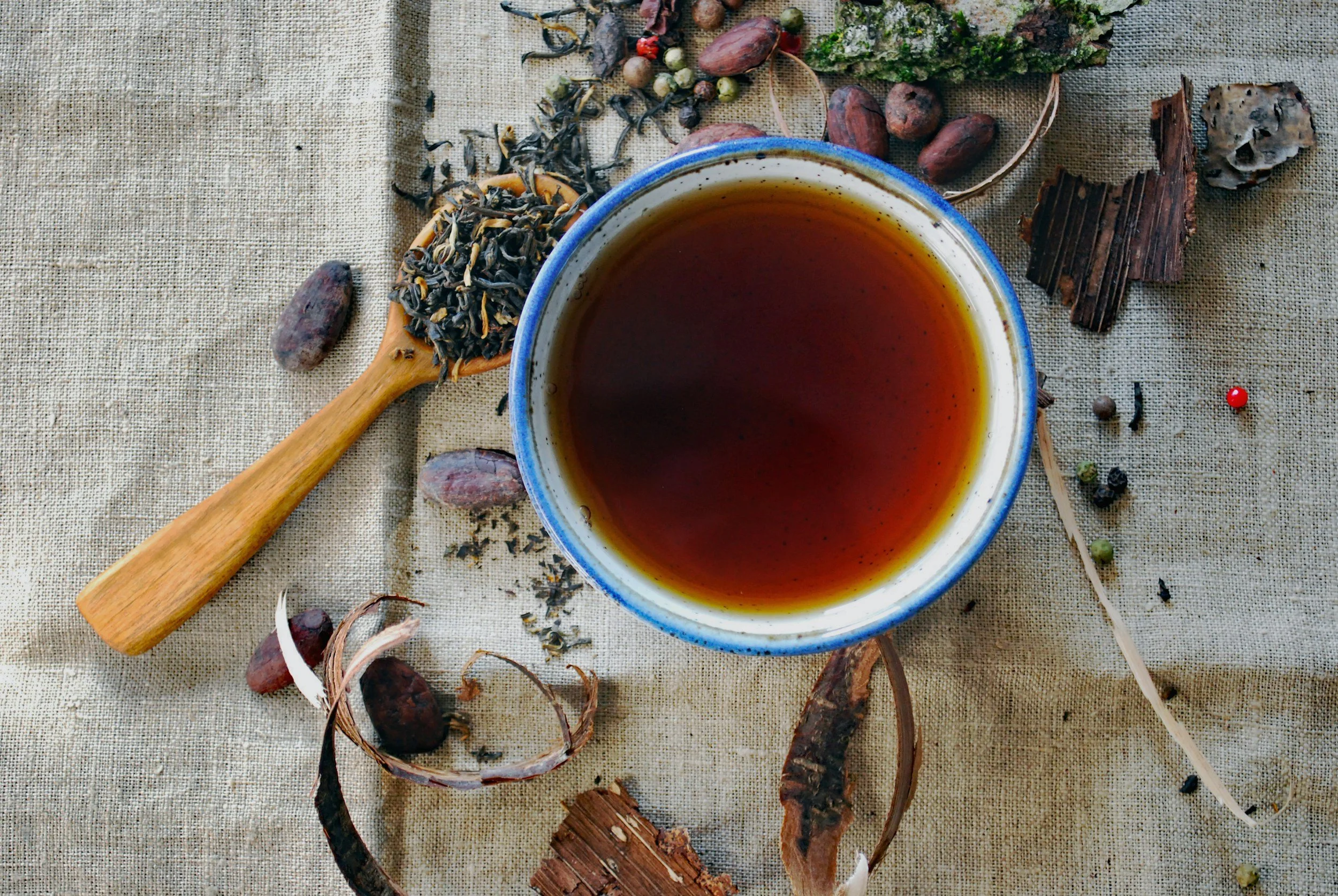
Learn how different teas support energy, focus, digestion, and relaxation throughout the day to create a natural wellness rhythm.
Thorough chewing improves digestion, enhances nutrient absorption, supports weight management, and promotes overall digestive health naturally.
Fresh herbs provide nutrients, antioxidants, and natural compounds that support digestion, reduce inflammation, boost immunity, and enhance overall wellness.
Learn how digestive enzymes break down food, improve nutrient absorption, and support digestive comfort through supplements and whole foods.
Spore-based probiotics may support gut healing, balance the microbiome, strengthen the intestinal barrier, and improve digestive health and immunity.
Learn how nutrition, exercise, and lifestyle habits prevent bone loss and support strong, healthy bones naturally as you age.
Learn how exercise, nutrition, weight management, and lifestyle habits support healthy joints, reduce inflammation, and maintain pain-free mobility.
Cold water immersion and ice baths improve circulation, reduce inflammation, boost mood, and strengthen mental resilience through controlled stress exposure.
Sciatica pain results from nerve compression and inflammation. Learn how massage therapy and anti-inflammatory nutrition can provide natural relief.
Neem offers antibacterial, antifungal, and anti-inflammatory benefits that support skin health, oral care, immunity, and blood sugar regulation.
Epsom salt baths support muscle recovery, stress relief, better sleep, and skin health through magnesium absorption and nervous system regulation.
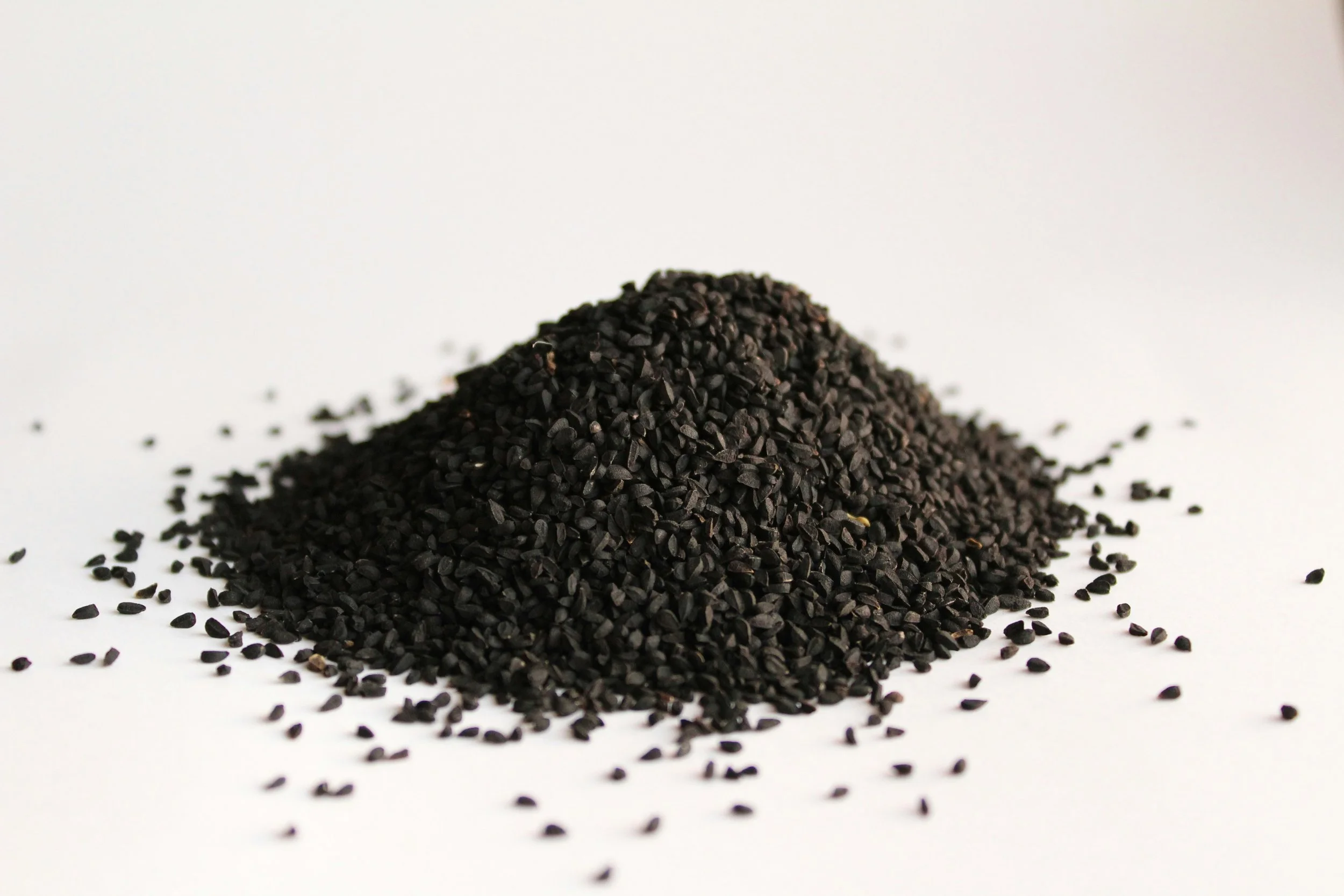
Black seed oil offers antioxidant, anti-inflammatory, immune-supporting, and metabolic benefits backed by research and traditional use.
Learn how diet, exercise, weight management, stress reduction, and regular screening can help men reduce prostate cancer risk naturally.
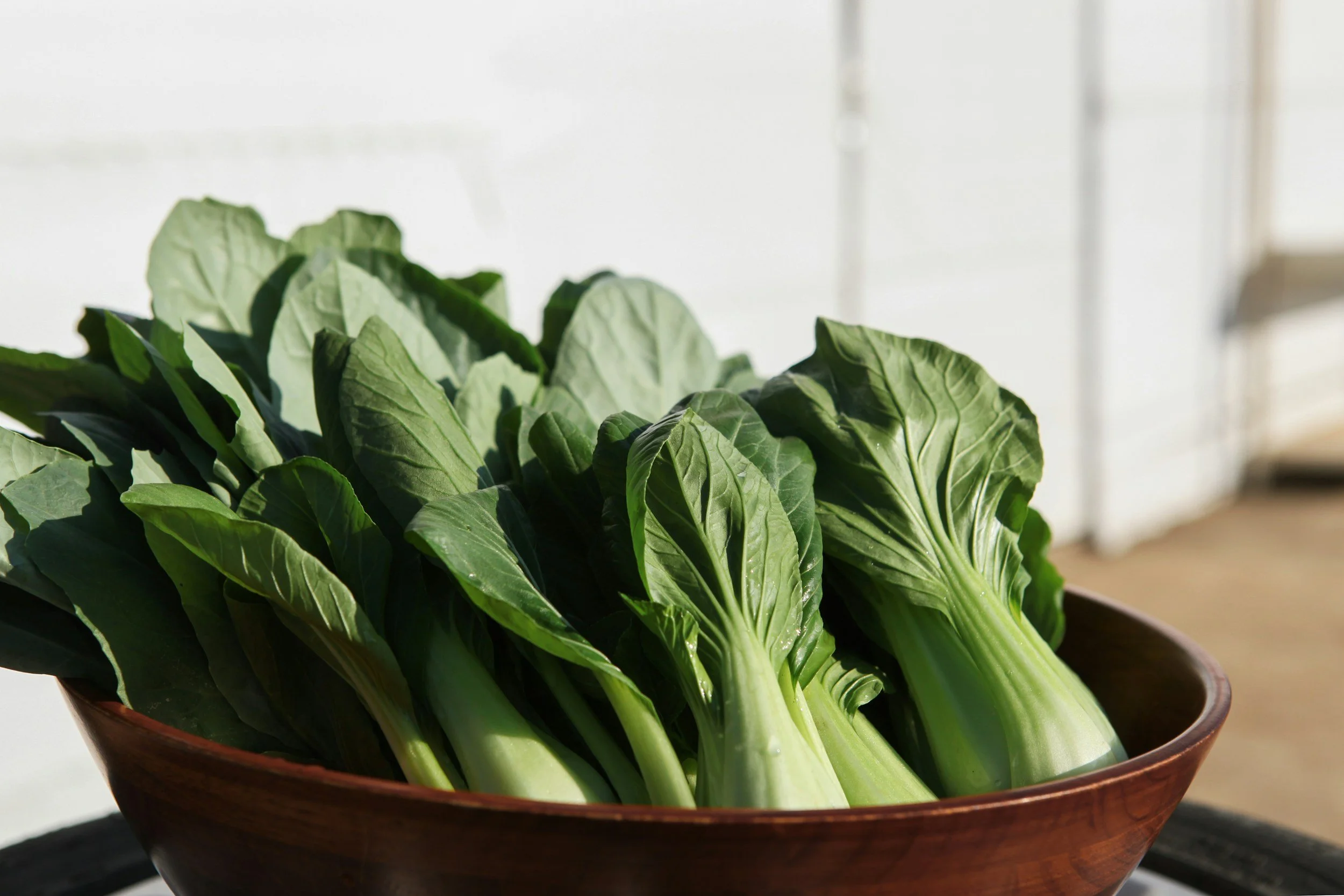
Bok choy offers vitamins A, C, and K, calcium, fiber, and antioxidants that support bone health, heart function, digestion, and immune wellness.
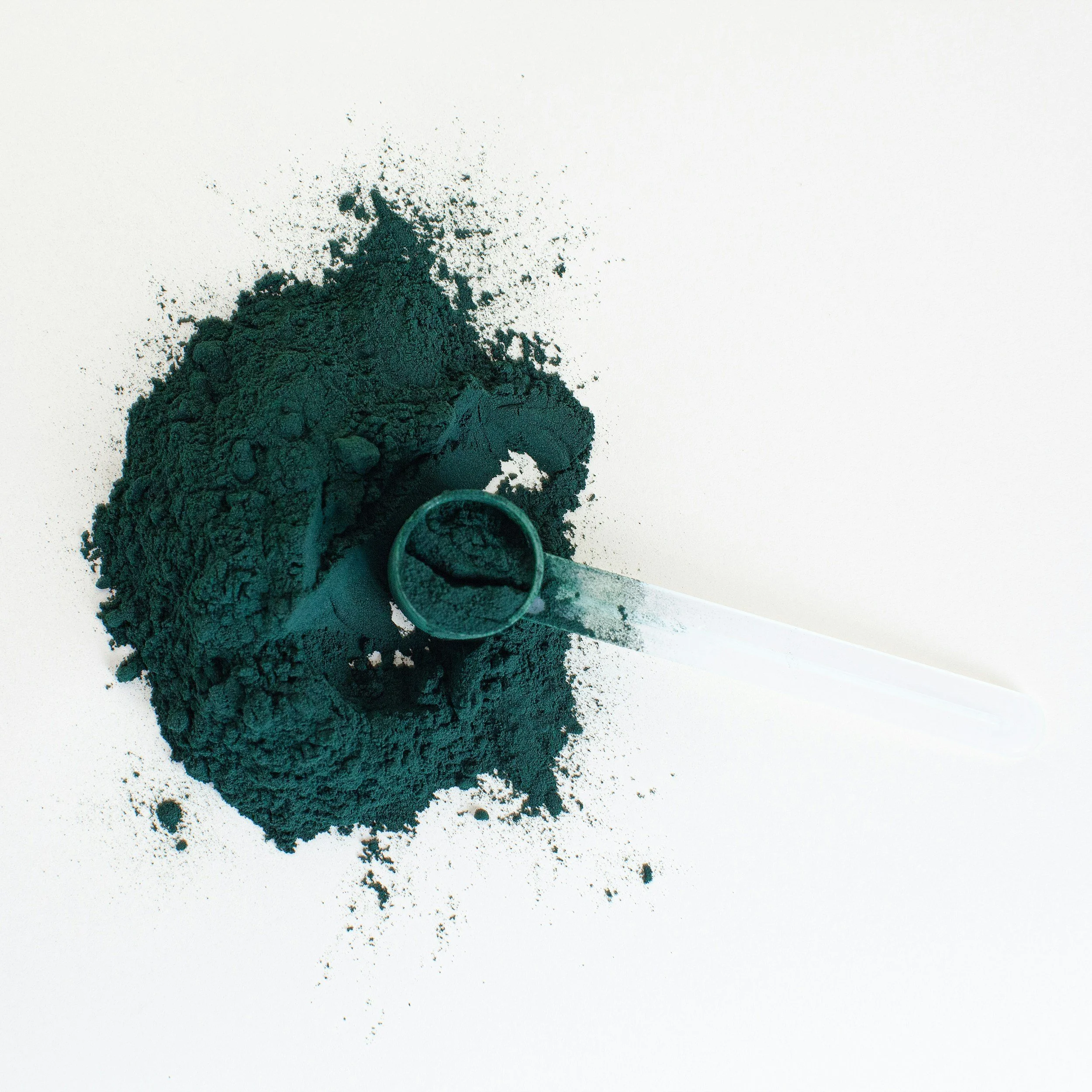
Spirulina offers complete plant-based protein, powerful antioxidants, cardiovascular support, and immune benefits in a nutrient-dense superfood.
Learn about heavy metal exposure from food, water, and environment, plus science-backed ways to support your body's natural detoxification.
Sleep supports immune function, brain health, emotional balance, and metabolic wellness. Learn why quality sleep is critical to long-term health.
Essential oils support emotional well-being, sleep, immunity, pain relief, and skin health through the therapeutic power of plant extracts.
Turmeric offers powerful anti-inflammatory and antioxidant benefits that support brain health, heart function, and digestion naturally.
Learn how nutrition, movement, mental engagement, and sleep support memory and brain health throughout the aging process.
Learn how to build healthier daily habits through small, consistent changes that support long-term physical and mental well-being.
© 2025 Avidan Holistic. All rights reserved. Design by OneInsight. Powered by Squarespace.
Cold water on your face can trigger the diving reflex, reduce puffiness, and boost alertness. Here's what the practice actually does and how to try it safely.